Review · Policy News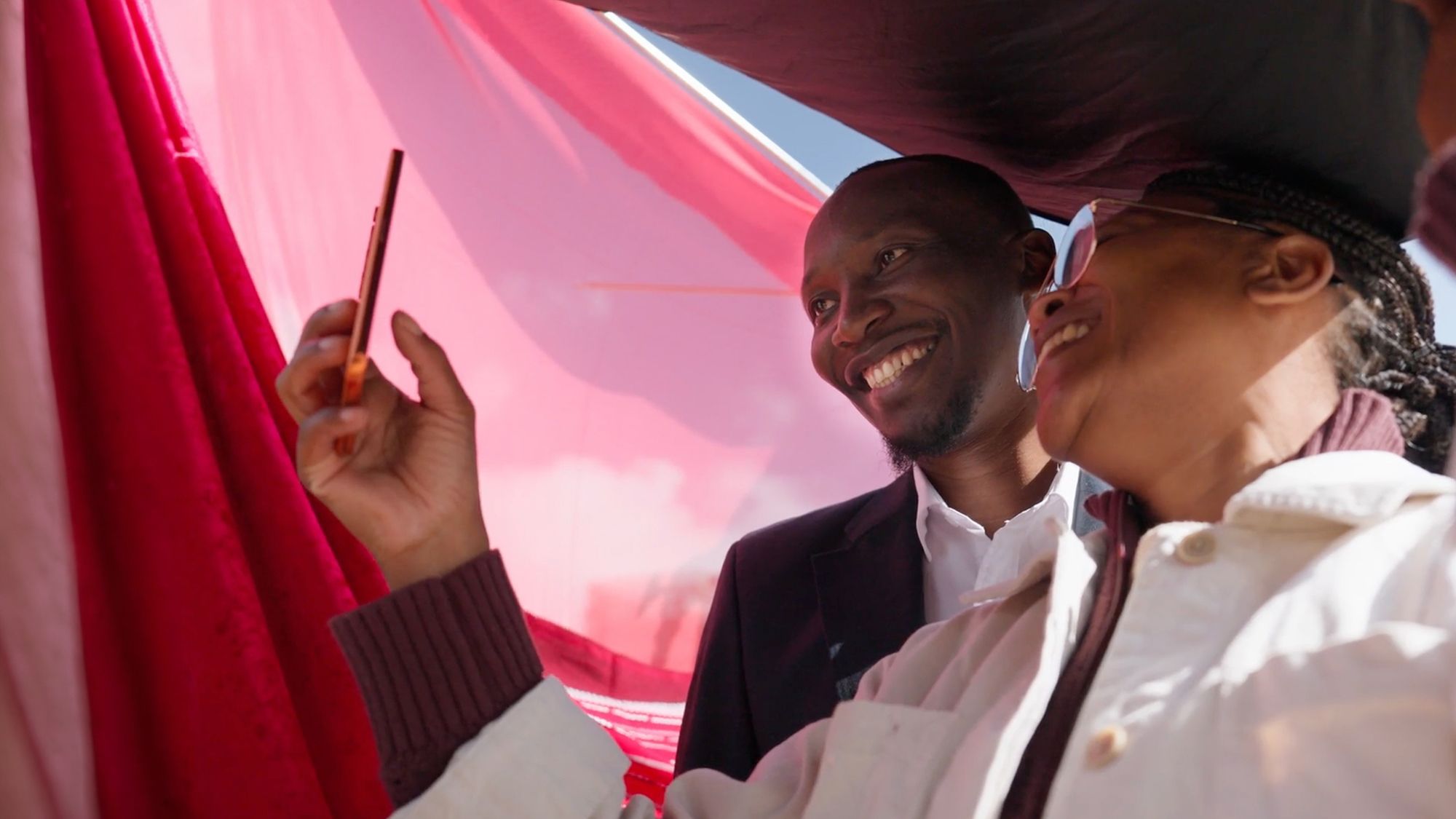
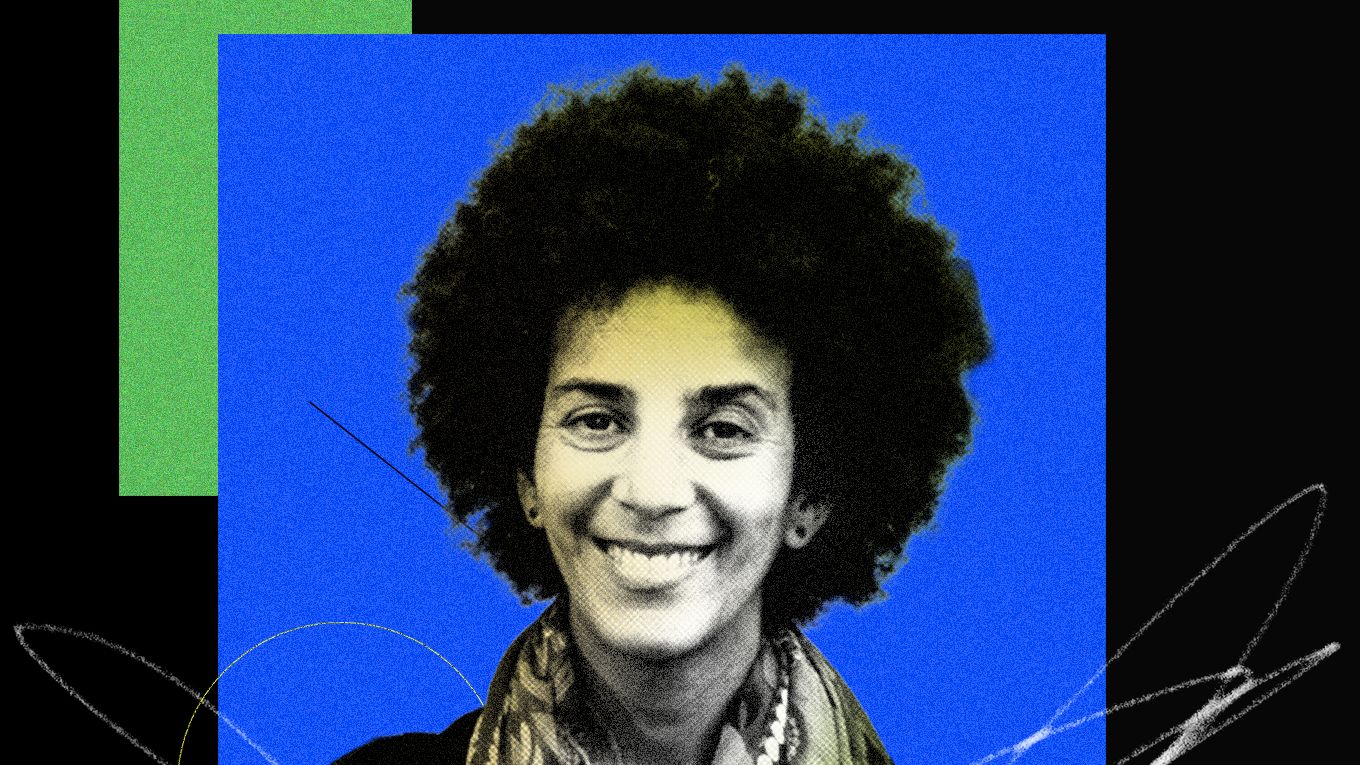
Internationally acclaimed visual artist Angélica Dass has spent her career asking one deceptively simple question: who gets to define us? Across thousands of portraits, she kept seeing the same quiet tension between who a person truly is and who the world assumes them to be — and she came to believe a photograph can either fix a label onto someone or lift every label away. Her mission with TECNO's 100 Portraits of Becoming is to hand that power back to the person in front of the lens.
I believe everyone has the opportunity to define themselves — on their own terms, with dignity, free of labels. — Angélica Dass In Kenya, she met people from all walks of life who had already done exactly that. In the stories of Alex, Alexander and Jelimo, we discover individuals who refused to accept the story the world had written for them, and defined their own instead. Alex Mutua Muli — The one who stayed Alex, 39, grew up among the fruit trees of Lower Eastern Kenya — the smell of blossoming fruit trees is still his favourite thing in the world.
But that abundance carried a quiet cruelty. "When I was 14, I watched my neighbour cut down his whole mango orchard, because he couldn't find a market," he remembers. Year after year, good fruit rotted while middlemen set the prices and the families who grew everything had no say.
Alex Mutua Muli, co-founder and CEO, Goshen Fruit Exporters Limited. Among the first from his community to reach university, Alex was handed the same script as everyone: study hard, get to the city, and never look back. But if everyone capable of change left, no one would be left to fix what was broken — so he came home, convinced the land had never been the problem.
It simply needed someone to build a market that could last. That conviction became a business. Alex turned surplus fruit into dried produce that keeps and travels — so a harvest earns its worth instead of rotting at the roadside.
Today, Alex's agribusiness provides a resilient and sustainable livelihood for smallholder farmers. "My neighbours no longer have to leave home to find a future. The future is here," he said.
His hope reaches further — an Africa where farming is not what children escape, but what they aspire to. Alex defined himself by staying when everyone said leave, and in doing so, redefined the worth of home itself. In Alex's portrait, I see the lives and connections people build around the places they call home. — Angélica Dass Alexander Odhiambo — The one who created his own door When Alexander, 36, graduated in computer science from the University of Nairobi, he was certain the world would come looking for him.
It didn't. Instead, he found the job market's door closed — and behind him, a whole generation of Kenyan graduates knocking on the same one. His first job paid nothing for six months, yet he kept writing software, sensing he was building for a future no one had promised him.
Alexander Odhiambo, co-founder and CEO, Solutech Limited. Alexander's instinct traced back to boyhood, when he made his own toys from scraps rather than go without. So when no employer would open a door, he and four friends built their own company, Solutech, from a tiny Nairobi office.
Even though he couldn't even afford rent in the early months, he held himself and his team together by his philosophy: once you are born, you either win or win. The hardest obstacle was never the code; it was trust. Solutech builds route-to-market software that gives businesses the sales intelligence they need to make decisions — the kind of system they had never imagined buying from a Kenyan startup versus a global name.
So Alexander did what he had done as a school scout commander and basketball captain: he rallied people and won trust: one client at a time. That belief compounded. The company he bootstrapped now powers the sales operations of major brands across Africa — indirectly creating employment opportunities for young field sales agents across the continent.
The graduate who defined himself by refusing to wait for permission turned his own exclusion into a doorway for the next generation. In Alexander's portrait, I see a generation defining their own paths, in ways that are personal, complex, and constantly changing. — Angélica Dass Jelimo Cheboi — The one who took her space Jelimo, 26, grew up reading about African women doing great things — yet on her own streets in Nairobi, she saw few women leaders. When she first stepped on a skateboard she borrowed, that gap became personal: she found that the space belonged to men, and she was expected to watch, not ride.
Jelimo Cheboi, co-founder, GirlSkate Nairobi. Then she discovered she was not alone — other women were skating too, scattered in their own corners of the city, invisible to one another. "We existed.
We just couldn't see each other," she said. Convinced she had the power to change things, she started GirlSkate Nairobi — Kenya's first female skate club — with her friend Tonii. GirlSkate Nairobi grew from a WhatsApp group into a movement.
For Jelimo, the board was always a metaphor: you fall today and land it tomorrow, and once a girl believes in herself on wheels, she believes in herself everywhere. Jelimo came to realise that her work went beyond skateboarding — it was about making space, so she kept on building communities to bring people together with initiatives such as Spin Lab, a beginners' DJ programme that aims to empower women through music. Her communities now bring together a whole creative generation — musicians, artists, painters, fashion designers — with workshops that equip them with new skills and foster opportunities for collaboration.
A movement that began with one borrowed board now hands other young Kenyans the confidence, and the platform, to take up space of their own. Jelimo defined herself by refusing to sit and watch — and made room not only for herself, but for everyone who had been told to wait. In Jelimo's portrait, I see people creating space for themselves, and making that space meaningful for others. — Angélica Dass The journey continues Three Kenyans, three portraits, one singular determination to define their own paths.
"None of these portraits is a final answer," Angélica said. "Each one is a person in the middle of becoming — shaped by who they decide to be." Kenya is only the beginning. As the project travels to the Philippines, Saudi Arabia, Türkiye, and Brazil, the Living Archive of humanity keeps growing, and there is so much more waiting to be seen.
A commercial production by BBC StoryWorks Paid and Presented by About “100 Portraits of Becoming” by TECNO and Angélica Dass "100 Portraits of Becoming" is a global portrait project created by TECNO, a global innovative technology brand, together with internationally recognised artist Angélica Dass. Over two years, the project will produce 100 portraits across five countries (Kenya, the Philippines, Saudi Arabia, Türkiye and Brazil), pairing Dass's portrait methodology with TECNO's Universal Tone imaging technology. Each portrait moves beyond the face to the person behind it and to the lives unfolding across different cultures, generations and moments of social change.
The 100 portraits become 100 ways of seeing humanity and, together, one growing archive of who we are, told by the people living it. Further reading Further reading In this series
Source: BBC